
Understanding Crypto Data Ownership: A New Era of Data Sovereignty
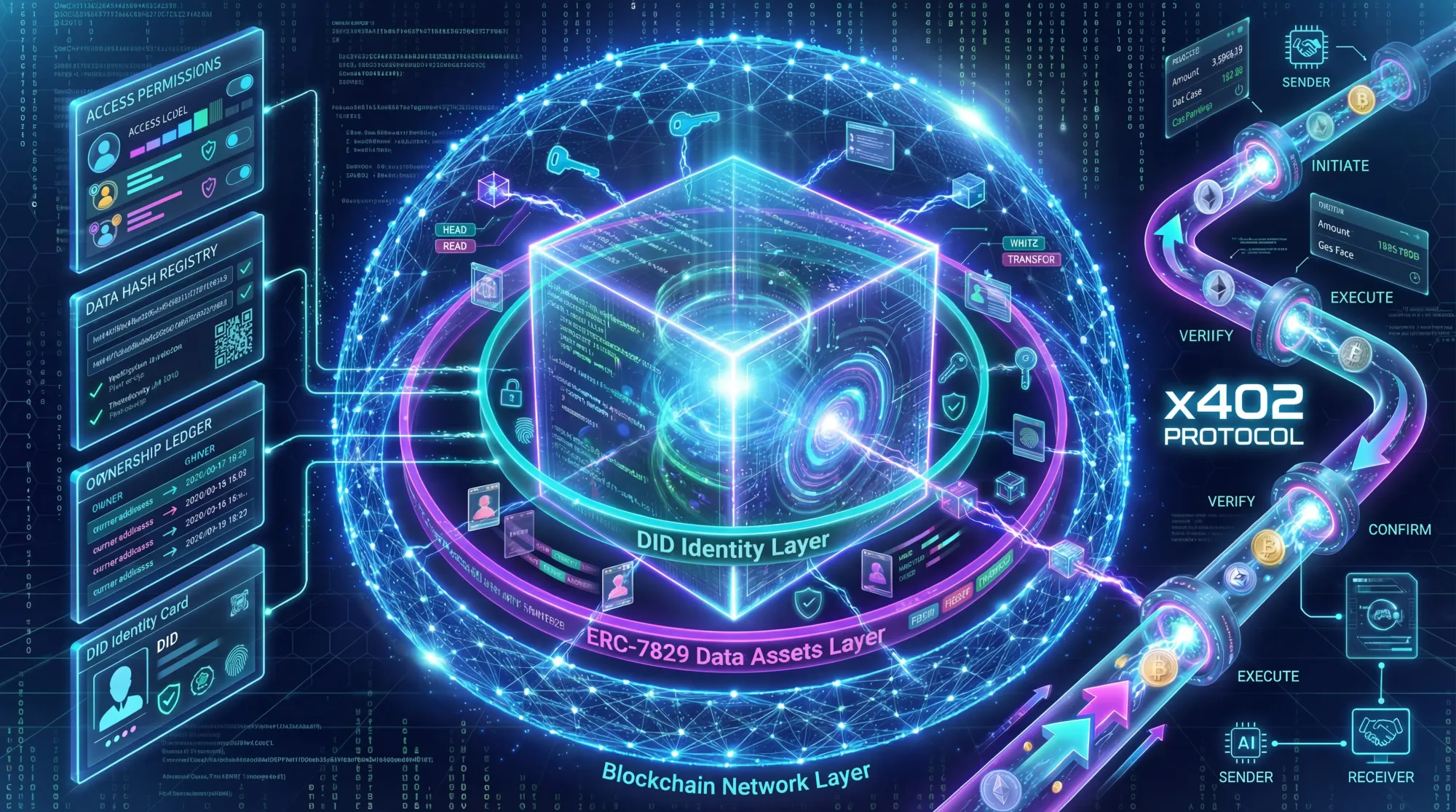
In today’s digital world, Crypto Data Ownership is emerging as a transformative concept for both individuals and businesses. It marks a fundamental shift from traditional data ecosystems—where tech giants control, monetize, and often misuse your data—to a future where you truly own and benefit from what you create. With technologies like blockchain, decentralized identity, and advanced token standards such as ERC-7829, users can gain verifiable ownership of data and unlock real economic value from it. This isn’t just theory — it’s the practical foundation of MEMO’s product ecosystem and the future of data sovereignty.
1. What Is Crypto Data Ownership?
At its core, Crypto Data Ownership means you, and only you, have control over your personal or organizational data. Unlike traditional models where platforms store, use, and monetize data without transparent consent, decentralized systems built on Web3 technology shift control back to the data creator.
Blockchain enables this through immutable records, decentralized storage, encrypted access controls, and cryptographic verification — all of which ensure that data ownership is transparent, secure, and user-centric.
In MEMO’s ecosystem, this concept extends beyond basic control: it means data can be tokenized, accessed under permission rules, and used to generate value in a transparent, auditable way that benefits the owner rather than centralized intermediaries.
2. Why Traditional Data Ownership Models Fall Short
Most of today’s digital platforms operate on a centralized model. Social networks, search engines, cloud storage services, and AI applications collect vast amounts of data but retain control over how that data is stored, processed, and monetized.
The problems with this model include:
- Opaque control: Users don’t know who has access to their data or how it’s used.
- Limited monetization: When platforms profit from your data, you see little or no economic benefit.
- Privacy risk: Centralized storage creates single points of failure that can lead to breaches.
- Lack of traceability: It’s very hard to track how AI models or other services interact with your data.
This has left users with little recourse to manage or benefit from their own digital information.
3. How Blockchain Enables True Data Ownership
Blockchain technology fixes many of the shortcomings of centralized systems by storing verifiable ownership data on a shared ledger, which cannot be altered without consensus. This means:
- Immutable proof of ownership: Your data rights and permissions are recorded permanently and transparently.
- Decentralized storage: Data can be stored off-chain in encrypted fragments but linked on-chain, making it censorship-resistant and secure.
- User-defined access: Smart contracts enforce access rules defined by the data owner.
MEMO takes these principles into practice by offering a decentralized data blockchain that combines data wallets, DID (Decentralized Identity), and token standards like ERC-7829 to establish a robust infrastructure for real user ownership.
4. ERC-7829: Turning Data Into Digital Assets
A key innovation in enabling Crypto Data Ownership is the ERC-7829 standard — a blockchain token standard designed to represent data assets as NFTs with structured metadata, storage proofs, and permission controls. This standard expands upon the traditional ERC-721 model to support the lifecycle of data assets on chain: how they are stored, accessed, transferred, and monetized.
What makes ERC-7829 powerful for data ownership:
- Data Asset Integrity: It includes storage proofs that ensure the content remains available and untampered.
- Permission Metadata: Owners can assign Reader roles — allowing multiple users to access data without transferring full ownership.
- Fine-grained Access Control: You determine who sees what and when.
- Tokenizability: Once verified, data assets can be traded, licensed, or monetized like any other crypto asset.
This opens a new asset class where user-generated data becomes tradable and economically meaningful, rather than something a corporation quietly harvests in the background.
5. Beyond Ownership: Monetization and Value Capture
Ownership is just the first step. True data sovereignty also means capturing economic value from that data — whether as an individual creator, researcher, enterprise, or AI developer.
In the MEMO ecosystem:
- Decentralized data markets allow you to offer access, sell usage rights, or license your data under transparent terms.
- Smart contracts automate revenue distribution, so creators receive payment instantly and without intermediaries.
- ERC-7829 assets can be incorporated into DeFi systems, enabling collateralization, fractional ownership, or automated revenue sharing.
This means your data can literally become an income-generating digital asset — a powerful shift from traditional models.
6. Automation and Ecosystem Connectivity with x402
True data ownership isn’t just about storage and tokenization — it’s about practical usage in modern digital systems. MEMO integrates protocols like x402, a programmable payment standard that supports automated, machine-to-machine payments. This makes it easier for AI agents, services, and users to exchange value securely and seamlessly — for example, paying for access to data on demand.
By weaving these standards together — identity, ownership, monetization, and automated value transfer — MEMO builds an ecosystem where data is not only under your control but can be actively used by developers and AI services in a transparent, programmable economy.
7. What This Means for You
Crypto Data Ownership is not just a buzzword — it’s a practical infrastructure shift that empowers every individual and business to regain control over their data. Instead of surrendering your digital information to third parties, blockchain-enabled ownership means:
- You define access and permissions.
- You capture economic value from your digital footprint.
- You participate in a transparent, secure data economy.
- You maintain control even as AI models interact with your assets.
The era of passive data harvesting is ending. With decentralized identity, standards like ERC-7829, and seamless integration with on-chain payment protocols like x402, we are entering a new era of data sovereignty — one where Crypto Data Ownership is the foundation of a fairer, more efficient digital world.
Embrace this new paradigm today — and let your data work for you, not for the platform.