
Never Leave Your Digital Self Behind: Why Alive Check Is the Ultimate Safety Net for Web3
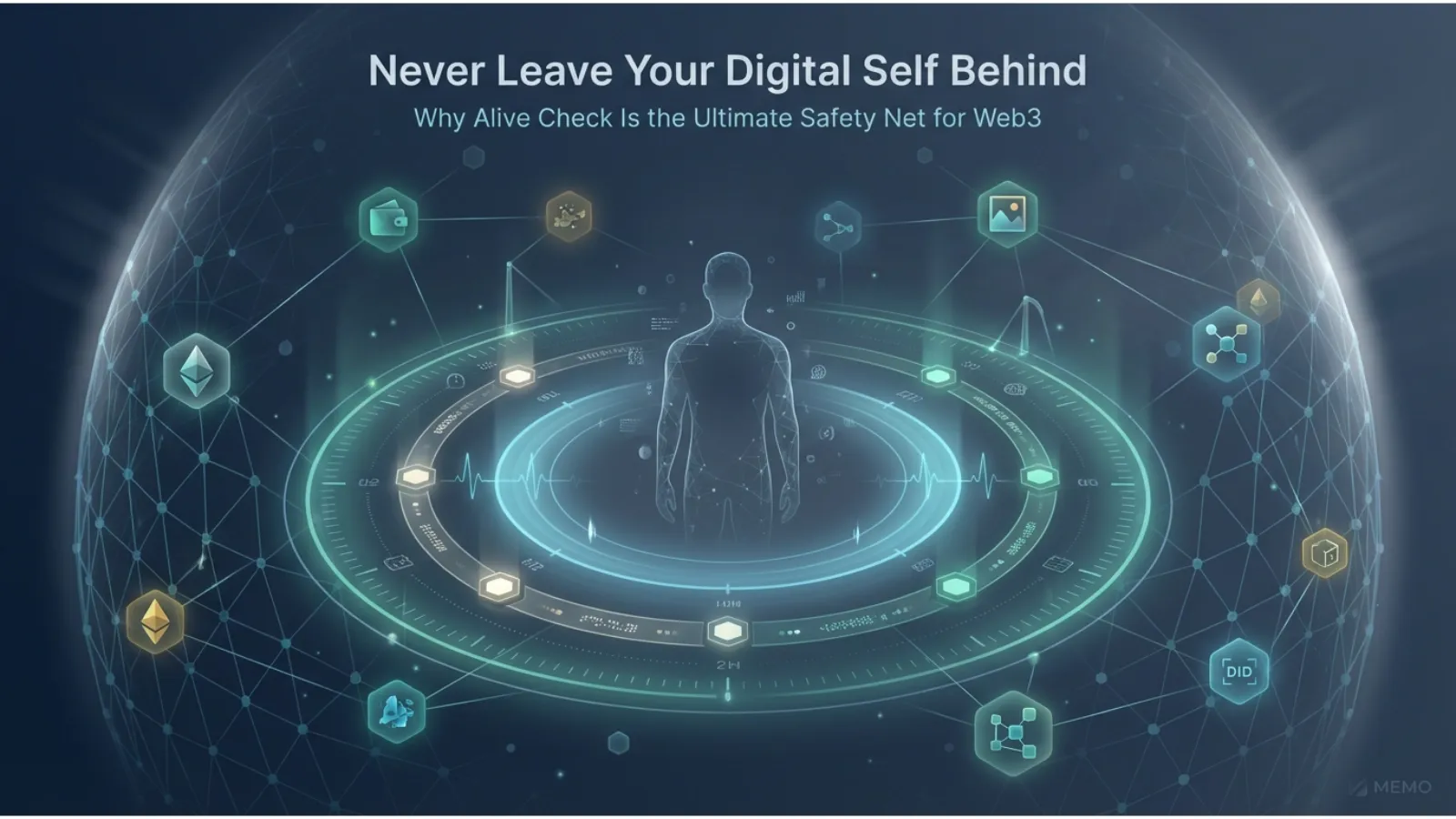
In the rapidly evolving world of Web3, where decentralized identities and digital assets are becoming the cornerstone of personal and financial freedom, one question remains crucial: What happens to your digital self when you’re no longer able to manage it? Whether it’s a medical emergency, a digital blackout, or just life taking an unexpected turn, our digital presence and assets are vulnerable in ways we might not consider. That’s where Alive Check comes in, revolutionizing digital security by offering a proactive solution to ensure your assets, identity, and privacy are always protected, even when you’re unreachable.
The Problem of Digital Abandonment in Web3
Web3 promises a new era of decentralized control, where users own and control their data. It’s an exciting world where your digital assets, including cryptocurrencies, NFTs, and personal identity information, belong solely to you. But with this newfound power comes the responsibility of managing and protecting your assets at all times.
What happens if something goes wrong? What if you lose access to your accounts or become unreachable for an extended period? In the traditional web, there are support systems to recover accounts, but in the world of decentralized, blockchain-based systems, the concept of account recovery is much more complicated—there’s no central authority to help you reclaim control.
This is a real concern for anyone who has valuable digital assets, including social media data, cryptocurrency, or even decentralized applications (dApps) tied to their identity. Without a mechanism to ensure your assets and identity are protected in your absence, you could lose everything without warning. Enter Alive Check, a simple yet powerful tool designed to safeguard your digital identity and assets from unexpected loss.
How Alive Check Protects Your Digital Life
Alive Check, powered by MEMO’s Data DID system, addresses these concerns with a robust, automated, and decentralized security mechanism that ensures the protection of your digital assets and identity even when you can’t manage them yourself. Here’s how it works:
1. Automated Status Checks
Unlike traditional security systems that react to problems after they happen, Alive Check works proactively by monitoring your digital presence. Every day, users submit a simple “Safety Report” through the Data DID page to confirm their well-being. This report syncs with the system and ensures that, as long as you’re online and active, your assets are secure.
If you forget to submit your Safety Report, Alive Check triggers a gentle reminder. It’s designed to be unobtrusive and user-friendly, but still effective enough to remind you to check in daily.
2. Escalating Alerts for Extended Absence
If your account remains unresponsive for 48 hours or longer, Alive Check automatically escalates the process by sending an emergency alert to your pre-designated emergency contacts. The system doesn’t leave you in the dark—it ensures that your trusted contacts are alerted and able to take action on your behalf, lowering the risk of your assets being compromised or left unprotected.
This early warning system is powered by blockchain technology, so all communications are encrypted and secure. Your personal information, and the details about your absence, are not accessible to anyone else.
3. Securing Your Assets in the Event of a Crisis
If Alive Check confirms that you are unresponsive for a prolonged period, the system activates its safeguard mechanism: it sends an encrypted email to your emergency contacts, which includes instructions for asset recovery or will management. This could include transferring control of your cryptocurrency wallets, unlocking access to your dApps, or securing your NFTs.
This powerful feature ensures that your digital assets don’t fall into the wrong hands and that they are either protected or passed on according to your pre-set instructions. It’s a seamless, automated process that takes the burden off your loved ones, ensuring your digital legacy is handled with care.
Privacy-First Design
While Alive Check offers high-level security and peace of mind, it also places a strong emphasis on privacy. All user data, including safety reports and emergency alerts, is encrypted locally on the user’s device. This means MEMO and the Data DID network do not track or store any unnecessary data about your activities. You retain full control over your privacy settings, allowing you to:
- Edit your emergency contacts: Ensure that the right people are notified if anything goes wrong.
- Customize email templates: Personalize the messages sent to your contacts in the event of an emergency.
- Activate location sharing: You can choose to enable or disable location sharing for additional safety.
Alive Check ensures that the entire process respects your privacy, providing a robust yet discreet safety net for your digital self.
Making Digital Safety Accessible with Points and Subscriptions
One of the most appealing aspects of Alive Check is its accessibility. Through MEMO’s points-based subscription model, users can easily activate and maintain the service by accumulating daily points. For just 1,000 points, users can unlock this critical layer of security for their digital lives, ensuring that they never have to worry about losing control of their identity or assets in an emergency.
This subscription model makes Alive Check affordable and easy to access for anyone in the Web3 community, regardless of their technical expertise.
The Future of Security in Web3: AI Agents and Beyond
As MEMO continues to evolve, Alive Check is just the beginning. Looking ahead, the next step will be integrating AI Agents to enhance Alive Check’s capabilities. These agents will act as an “additional safety brain”, automatically managing your digital identity and assets when you're unable to. The integration of AI with Alive Check will allow for even more advanced asset management, such as automatically liquidating assets or transferring data securely when you are unreachable.
This AI-powered future will ensure that your digital assets always have a “safe landing” no matter what happens, providing both security and peace of mind in an increasingly uncertain digital world.
Conclusion: Your Digital Safety Is Just a Check Away
Alive Check is not just a tool—it’s a safety net for your digital life. By utilizing blockchain technology, Data DID, and automated, proactive alerts, Alive Check ensures that your digital self and assets remain safe, even when you can’t be there to manage them. In the world of Web3, where the decentralized economy and identity systems are still in their infancy, Alive Check is the ultimate tool to give you control over your future, no matter what comes your way.
Your digital life is as important as your physical life. Alive Check is here to ensure that both stay secure.
Frequently Asked Questions (FAQs)
Q1:What is MEMO?
MEMO is a Web3 data infrastructure platform that combines decentralized storage, decentralized identity, and data-market primitives to enable user-owned data, privacy-preserving services, and AI-native applications—forming the foundation for DePAI systems and autonomous, economically active AI agents.
Q2:What core problem does MEMO address?
MEMO addresses centralized control over data, weak ownership models in Web2, and the lack of infrastructure that allows AI systems to securely access, verify, and monetize high-quality data.
Q3:What is MEMO DID?
MEMO DID is MEMO’s decentralized identifier system that issues verifiable, portable identities for people, organizations, and AI agents, enabling authorization, recovery, and delegated access.
Q4:What is MEMO Data DID as a product?
MEMO Data DID is a self-sovereign decentralized identity product where users create and own a persistent digital identity that can be used across Web3 applications, data services, and ecosystem events without relying on centralized logins.
Q5:What is a MEMO AI Agent?
A MEMO AI Agent is an autonomous, identity-backed software entity that can access data, call services, pay for work, and be audited—operating with verifiable authority and economic autonomy.