
Data is the Oil of the Digital Age — Data Blockchain Is the New Pipeline
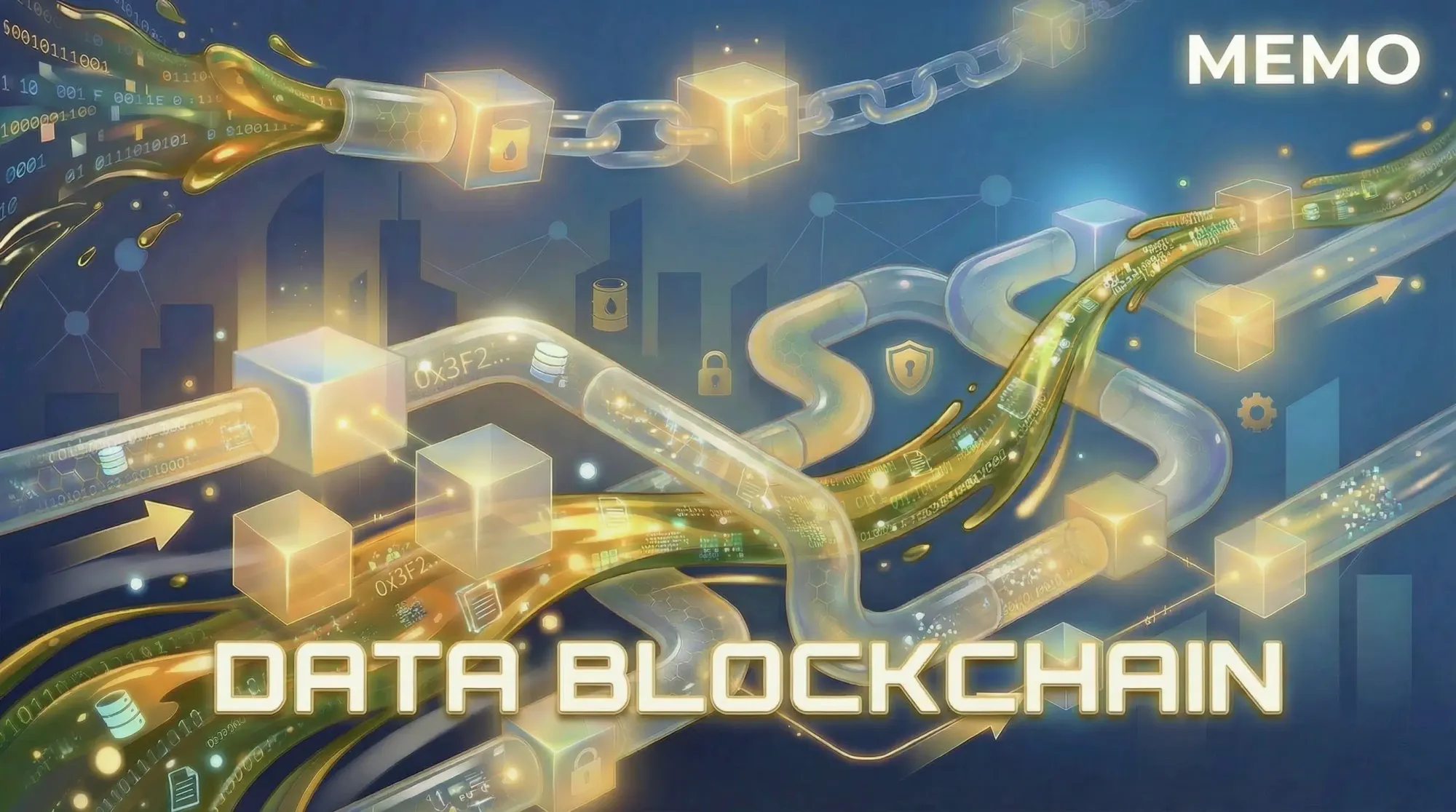
In today’s digital world, value no longer comes from physical assets or large hardware systems. It comes from information—what people search, purchase, create, and interact with online every second. Data is now the most powerful fuel behind AI algorithms, business intelligence, financial decisions, and even everyday digital services. But the real challenge is not generating data; it is managing it with transparency and trust. Without the right infrastructure, much of this value remains locked or controlled by centralized platforms. That is why data blockchain technology is becoming the new pipeline that transports data securely, verifies ownership, and supports fair use.
1. Why Data Became the Most Valuable Resource of This Era
Data has grown into the foundation of modern AI. Every recommendation system, predictive model, and automation tool depends on constant streams of reliable information.
However, our current data environment faces serious issues:
- Users lack ownership: They often don’t know who holds their data or how it is used.
- Businesses face compliance pressure: Global regulations demand clearer data sourcing and usage records.
- AI systems lack trustworthy inputs: Training data may be incomplete, inconsistent, or unverifiable.
These challenges show that traditional data models are no longer enough. A data blockchain offers a new structure that treats data like a verifiable, traceable asset—something that can be owned, shared, and used with confidence.
2. Why Traditional Databases Cannot Support the Future of Data Value
Conventional cloud storage was designed for convenience and scale, not for decentralized data governance. As data becomes interconnected across organizations, AI systems, and devices, traditional models begin to fall short.
Key limitations include:
- No permanent proof when data is changed
- Difficulty verifying data sources, especially across teams or partners
- Limited transparency regarding how data is used
- No native way to turn data into assets
Simply put, centralized systems are not built for multi-party trust. They cannot ensure fairness when data flows across different organizations or AI agents. A data blockchain fills this gap by enabling shared trust without relying on a single authority.
3. How Data Blockchain Creates a Trusted and Functional Data Pipeline
A data blockchain introduces a new structure that focuses on trust, transparency, and ownership. It enables healthier data ecosystems where users, businesses, and AI systems can all participate with confidence.
3.1 Immutable Proof and Verifiable History
Each data entry is recorded with a timestamp and cryptographic proof. This ensures data integrity and provides a clear history of changes or usage.
3.2 Decentralized Identity Brings Real Ownership
With DID technologies, identity is not controlled by a single company.
Instead, individuals, devices, and AI agents can hold secure and verifiable identities tied to their data.
3.3 Permission-Based Access Built into the Data Layer
Instead of copying data endlessly, users can share structured access.
The blockchain enforces these rules automatically, reducing risks and increasing transparency.
3.4 Data Tokenization Unlocks Real Economic Value
Once data is recorded on the blockchain with clear ownership, it can be represented as a digital asset.
This allows it to be:
- monetized
- licensed
- shared for AI training
- used across applications with permission
This transforms data from static information into an active, valuable resource.
4. How MEMO Helps Support This New Data Infrastructure
MEMO contributes to this shift by offering a practical, reliable foundation that aligns with data blockchain principles. Its tools are designed to help users, developers, and AI teams handle data more confidently, without overwhelming complexity.
4.1 MEMO DID: A Modern Layer of Trust for Digital Identity
MEMO’s DID system enables secure, verifiable identities for users and AI agents, making it easier to associate ownership and manage data rights responsibly.
4.2 A Blockchain-Enabled Data Cloud Built for Authenticity
Unlike traditional storage, MEMO’s data cloud supports data provenance tracking, verification, and controlled sharing—all essential for AI-driven applications where reliability matters.
4.3 Data Assetization That’s Practical for Real-World Use
By establishing clear ownership and usage records, MEMO helps businesses turn fragmented datasets into structured, usable, and potentially monetizable digital assets.
These features integrate quietly into the background, enhancing data transparency without forcing users to understand complex blockchain mechanics.
5. Real-World Use Cases Where Data Blockchain Makes a Difference
Data blockchain is not just a theory—it is already being applied in roles where trust and traceability matter.
5.1 Healthcare Data Exchange
Hospitals can share medical data securely, with patients retaining ultimate control and visibility. AI models benefit from verified, high-quality datasets.
5.2 AI Training Pipelines
Developers can source verified datasets with clear usage rights, reducing legal risks and improving model outcomes.
5.3 IoT and Device Data
Smart devices can generate verifiable data tied to their DID identity, improving reliability in automation and monitoring systems.
5.4 Cross-Company Collaboration
Partners can share sensitive information without exposing full databases, using permission-based access on a data blockchain.
5.5 Digital Content Ownership
Creators gain proof of authorship, enabling transparent licensing and fair compensation.
These examples show how a trusted data pipeline can unlock value across diverse industries.
6. Why Organizations Should Begin Exploring Data Blockchain Today
The shift toward stronger data governance is inevitable. AI adoption is growing, and privacy regulations are becoming more strict. Businesses must prepare for a future where data needs to be both valuable and verifiable.
A data blockchain offers:
- better control
- better compliance
- better transparency
- better opportunities for monetization
Organizations that adopt this approach early will gain an advantage in building trust, enabling AI innovation, and handling data responsibly.
Conclusion: Data Blockchain Is the Future Pipeline of Digital Value
If data is the oil powering our digital world, then data blockchain is the new pipeline that moves this value safely and transparently. It restores ownership, protects integrity, and enables new possibilities for AI and digital collaboration.
With modern infrastructure—such as the solutions developed by MEMO—the industry is gradually shifting from centralized control to a more open, verifiable, user-centered data ecosystem. As this transition accelerates, data will no longer simply be collected; it will be authenticated, protected, and empowered to generate meaningful value.